


What Are the Best Winter Pants for Walking, Commuting, and Light Snow?
Quick Answer:
For most winter walks, daily commutes, and light snowfall, flexible softshell pants or fleece-lined winter pants are practical choices. Lightweight softshell pants may work well around freezing during active movement, while fleece-lined pants offer extra warmth in colder conditions. If you expect strong winds, wet snow, or long periods outdoors, look for more substantial weather protection. The best choice depends on temperature, activity level, and how long you will be outside.
From walks in Thuringia to trails in the Harz and Ore Mountains, I’ve learned that winter pants need to balance warmth, mobility, and weather protection. Pants that feel comfortable outdoors may become too warm on a heated bus or in an office, so it’s important to consider your whole day—not just the weather outside.
A winter morning can begin quietly. The air is cold, frost covers the grass, and every breath briefly appears in front of you. On the way to work, warm pants feel like a good decision. But after a few minutes on a heated bus or in a warm office, those same pants can suddenly feel too heavy.

From my hikes and walks in Thuringia, the Ore Mountains, and the Harz Mountains, I have learned that winter pants need to suit more than one situation. What feels comfortable while walking through a forest may not be ideal when waiting for a bus or sitting indoors for several hours.
For commuting, everyday walks, and light snow, fleece-lined winter pants can be a practical option. The key is finding a balance between warmth, mobility, and weather protection.
What Makes Good Winter Pants for Walking?
When choosing pants for cold weather, I first consider how they feel during movement. On a hiking trail, I need to take long strides, step over roots, and lift my knees on steeper sections. Stiff fabric quickly becomes uncomfortable in these situations.
Stretch is therefore an important feature. The amount of insulation matters just as much. Lightweight softshell pants may be enough around freezing, while fleece-lined winter pants can offer additional warmth when temperatures drop.

The outer fabric should also cope with light snowfall and brief contact with moisture. However, water-resistant does not mean waterproof. If I expect to spend a long time in wet snow, I look for more reliable protection.
Fit matters, too. Pants that leave no room for a base layer limit my options when the weather changes. At the same time, overly loose fabric can get in the way while walking. A comfortable fit makes it easier to adapt to different winter conditions.
Here are four features worth considering:
-
Warmth: Lightweight softshell pants may be enough for brisk walks around freezing, while fleece-lined winter pants can provide additional insulation in colder conditions.
-
Stretch and mobility: Flexible fabric makes it easier to walk uphill, climb steps, and move naturally throughout the day.
-
Weather protection: A water-resistant outer fabric can help with light snowfall and brief contact with moisture. It does not necessarily provide reliable protection in prolonged wet conditions.
-
Comfortable fit: Make sure the pants allow enough room for movement and, if needed, a thin thermal base layer.
The right combination depends on where you walk, how quickly you move, and how long you expect to stay outside.
For more advice on choosing pants for cold-weather trails, read our guide to what pants are best for winter hiking.
On the Jenzig: Why Mobility Matters More Than Thick Insulation
During a winter hike around the Jenzig near Jena, the conditions were typical of a cold day in Germany’s central uplands. Mist lingered in the Saale Valley, while damp patches and slippery leaves covered sections of the woodland path. Some stretches climbed steeply enough that I had to take larger steps and pay attention to where I placed my feet.
On a trail like this, it quickly becomes clear whether pants allow you to move naturally. Flexible, fleece-lined pants can provide warmth without feeling stiff every time you take a step. Over several hours, that difference becomes particularly noticeable.

I have also experienced the opposite. On an earlier walk in sleet, my jeans became damp and felt heavier and stiffer as the moisture built up in the fabric. They were far from comfortable by the time I turned back. For winter walks and longer outdoor activities, I prefer pants designed to handle movement and changing weather conditions.
Winter Pants for Commuting: Warm Outside, Comfortable Indoors
Commuting presents a different challenge from hiking. You might spend ten minutes waiting at a windy bus stop, walk to work, and then sit in a heated room for most of the day.
Fleece-lined pants can be very comfortable while waiting outside. Once you are sitting on a warm bus or working in a heated office, however, the extra insulation may become too much. If you regularly move between cold outdoor conditions and warm indoor spaces, consider how the pants feel in both environments.

Softshell pants with a light lining—or no lining at all—can be a good alternative for active days around freezing. In colder weather, a fleece-lined version may be more comfortable. A thin thermal base layer can also help you adjust your clothing to changing conditions.
There is no universal temperature at which one type becomes better than another. Someone who gets cold easily and waits outside for a long time needs more insulation than someone walking briskly to work. The best winter pants for commuting are the ones that suit your actual routine, not just the temperature shown in the forecast.
Which Pants Work Best for Light Snow?
If you are walking along a trail with only a thin layer of powder snow, you may not need bulky snow pants. Fleece-lined winter pants with a water-resistant outer fabric can be suitable for these conditions.
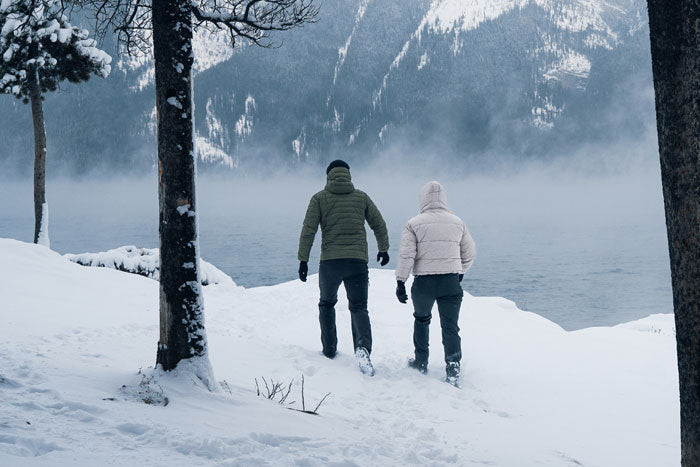
During a winter outing in the Ore Mountains, I experienced how comfortable warm pants can feel while walking in light snow. Moisture was barely noticeable as I followed the trail. The situation changed when I sat down on a snow-covered bench. Direct contact with the cold, damp surface felt much less comfortable than simply walking through the snow.
Experiences like this highlight the difference between moving through snow and sitting or kneeling in it. A regular pair of winter pants may be enough for a walk or light hike. If you frequently kneel, sit on snowy surfaces, or walk through wet snow, stronger water protection becomes more important.
One model designed for this kind of versatile use is the Women’s Snow Ski Flare Hiking Pants – SnowVenture W021 from Moosehill. According to the manufacturer, the pants feature fleece-lined softshell fabric with four-way stretch, along with water-resistant and breathable properties. Four zippered pockets provide storage, while snap buttons allow the leg openings to be widened by approximately 7–8 cm.

These features may make the pants worth considering for everyday walks, travel, and light winter hiking. I have not personally tested this model, though, so I cannot comment on its actual fit or performance from firsthand experience.
Winter Pants vs. Snow Pants: When Do You Need More Protection?
For the daily commute, a walk with the dog, or a stroll through a snow-covered forest, flexible winter pants are often sufficient. They are generally less bulky than traditional ski pants and can be comfortable for activities outside winter sports.
When snow becomes wet, or when you spend a long time sitting outdoors or making frequent contact with snow, the requirements change. In those situations, pants designed specifically for winter activities may be the better option.
| Situation | Pants to consider | What to look for |
|---|---|---|
| Daily commuting | Lightweight or lightly lined softshell pants | Comfort indoors and outdoors |
| Brisk winter walks | Stretch softshell pants or fleece-lined pants | Mobility and suitable insulation |
| Walking in light, dry snow | Fleece-lined, water-resistant pants | Warmth and basic moisture protection |
| Wet snow or frequent contact with snow | More protective snow pants | Verified weather protection |
| Long periods outdoors in cold wind | Insulated pants or a suitable outer layer | Wind protection and warmth |
| Skiing or snow activities | Pants designed for the activity | Appropriate coverage, fit, and weather protection |
Moosehill offers the Men’s Snow Ski Pants Fleece Lined Waterproof – SnowVenture M041. The manufacturer lists fleece-lined stretch fabric, four zippered pockets, and leg zippers designed to make it easier to pull the pants over ski boots.

There is an important detail to consider regarding water protection. The product title describes the pants as waterproof, but the description refers to grade-4 water resistance and does not provide a specific hydrostatic-head rating. The available information therefore does not establish their actual waterproof performance conclusively. If you intend to use them in wet snow or prolonged precipitation, check the protection level with the manufacturer before buying.
To compare the differences in more detail, read our guide to waterproof hiking pants vs. rain pants vs. snow pants.
You can also browse Moosehill women's snow pants or men's snow pants to compare available styles and product features.
Which Winter Pants Should You Wear at Different Temperatures?
Temperature ranges can provide a useful starting point, but they are not fixed rules. Wind, moisture, activity level, and personal cold tolerance all affect how warm a pair of pants feels.
| Outdoor conditions | Pants to consider | Additional considerations |
|---|---|---|
| Around 41–32°F (5–0°C) | Lightweight softshell pants or lightly lined pants | Suitable for many brisk walks, depending on wind and personal comfort |
| Around 32–18°F (0 to −8°C) | Fleece-lined winter pants | A thin thermal base layer may help during longer periods outdoors |
| Below 18°F (−8°C) | More substantial insulation or a suitable layering system | Consider wind, time outdoors, and how active you will be |
| Strong winds or wet snow at any temperature | Pants with suitable additional weather protection | Temperature alone does not determine whether the pants will keep you comfortable |

These ranges are only a guide. I would always consider whether I will be moving continuously or standing still for long periods. This is especially relevant when commuting: pants that feel perfect during an active hike may offer too little protection while waiting outside—or feel too warm once you get indoors.
Before heading out, check the forecast and consider using a layering system. For further guidance, see REI's Cold-Weather Hiking Tips.
What I Check Before Buying Winter Pants
Before buying winter pants, I look at mobility, insulation, and the type of weather protection the fabric offers. The fit should be comfortable and leave enough room for a base layer if needed. Adjustable leg openings can be useful when wearing the pants over winter boots.

I also check whether the material is water-resistant or genuinely waterproof. Zippered pockets are useful for keeping small items secure, while a lighter design can make a difference on longer walks.
Most importantly, I consider how the pants will fit into everyday life. Someone looking for versatile winter pants should think about whether they will mainly be used for commuting, longer walks, or activities in the snow. That decision is more useful than choosing a pair simply because it looks warm.
Final Verdict: The Best Winter Pants Depend on the Conditions
For commuting, everyday walks, and light snow, fleece-lined winter pants are often a good compromise. They provide warmth and mobility without the bulk of traditional snow pants.

If you regularly walk through wet snow, spend long periods outdoors, or frequently sit and kneel in snowy conditions, pay closer attention to weather protection. The best winter pants are not necessarily the thickest pair available. They are the ones that match the weather, your activity, and your personal comfort.
Before choosing, ask yourself three questions:
-
How cold and windy will it be?
-
Will I be moving continuously or standing still?
-
Will I encounter dry snow, wet snow, or prolonged moisture?
Answering these questions is more useful than choosing a pair simply because it looks warm.
Frequently Asked Questions
What are the best pants for walking in cold weather?
Flexible softshell pants or fleece-lined winter pants work well for many cold-weather walks. Choose lighter insulation for active movement in milder conditions and additional warmth when temperatures drop. Wind and moisture protection also matter.
What pants are best for commuting in winter?
Lightly lined softshell pants can be practical when you move frequently between cold outdoor conditions and heated buildings. Fleece-lined pants may be more comfortable in colder weather, particularly if you spend time waiting outdoors.
Can you wear regular winter pants in light snow?
Yes, if the pants provide enough warmth and their outer fabric can handle the expected moisture exposure. Wet snow, prolonged precipitation, or sitting and kneeling on snowy surfaces may require more protective pants.
Are fleece-lined pants good for everyday wear?
Yes. Fleece-lined pants can be comfortable for everyday walks, commuting, and travel. The best choice depends on the thickness of the lining, the fit, the outdoor temperature, and how active you are. They may feel too warm in heated indoor environments.
What is the difference between winter pants and snow pants?
Winter pants often prioritize everyday comfort and mobility, while snow pants may be designed for greater exposure to snow, moisture, and cold. However, product names alone do not establish a garment's performance, so check the actual specifications.
How do you choose winter pants for different temperatures?
Consider temperature alongside wind, precipitation, activity level, and how long you will be outdoors. Lightweight softshell pants may work for brisk walks in milder winter conditions, while fleece-lined or more protective pants may be better in colder or wetter conditions.
Are water-resistant pants the same as waterproof pants?
No. Water-resistant pants can help with limited exposure to moisture, but they may not keep you dry during prolonged contact with wet snow or heavy precipitation. Waterproof performance should be assessed using the manufacturer's specifications and test information.
Should you wear a thermal base layer under winter pants?
A thin thermal base layer can provide additional warmth when temperatures drop or you expect to spend a long time outdoors. Make sure your pants have enough room to accommodate the extra layer comfortably.
--- END ---
For more details about Snow & Ski Clothing , please click to choose the best-fitting products!

【Ski & Snow Advice】
· Are Fleece-Lined Pants Warm Enough for Snow?
· What pants are good for snow
· Can Snow Pants Be Used as Rain Pants?
· Fleece-Lined vs. Convertible Hiking Pants: Which Outdoor Pants Do You Need for Cold Weather?
【Hiking Advice】
· Why 4-in-1 Hiking Pants Are the Future of Outdoor Clothing
· Sustainable Hiking Gear: Why Buying Better Matters
· Hiking Pants vs. Leggings: Why Trekking Trousers Win for Spring
· The Golden Rules for Hiking in 2026
· Hiking Tips: What are the best foods for hiking?
· What Do You Need to Wear for Hiking?
【Biking Advice】
· What shorts do Mountain Bikers wear?
· Why Are Mountain Bike Shorts Padded Instead of the Seat?
· Comfortable and Stylish: 5 Expert Tips for Bike Shorts
【Golfing Advice】
· Do You Wear Pants or Shorts to Golf?
· Quick Guide: Choosing the Perfect Golf Pants
· 4 Tips to Efficiently Choose Your Golf Clothing and Accessories